



How to Produce a Professional Podcast
"You just have to start. You can’t think your way into acting, you have to act your way into thinking.”
Joe Rogan
Creating a podcast that sounds professional isn’t just about hitting record. It’s about planning, technique, and post-production that holds up against what you hear on Spotify or ABC. Whether you’re new to podcasting or looking to level up your sound, this guide walks you through how to produce a professional podcast, from setup to publishing, the same way we do it at Voodoo Sound.

Step 1: Plan Before You Press Record
Before you record a single word, get clear on your “why.” A good podcast starts long before the mic switches on.
Ask yourself:
Who’s this for?
What do I want them to get from it?
What format suits my content, interviews, storytelling, solo commentary, or panel chat?
A simple content calendar keeps you consistent and avoids the “I’ll record later” trap that kills most new shows.
💡 Pro tip: Don’t just plan episodes, plan your sound. Decide if you want a tight, radio-style edit or a loose, chatty vibe. That decision drives everything else.
Step 2: Build Your Studio Right
Your gear and room setup will make or break your sound. Forget expensive upgrades; start by getting the environment right.
What you need:
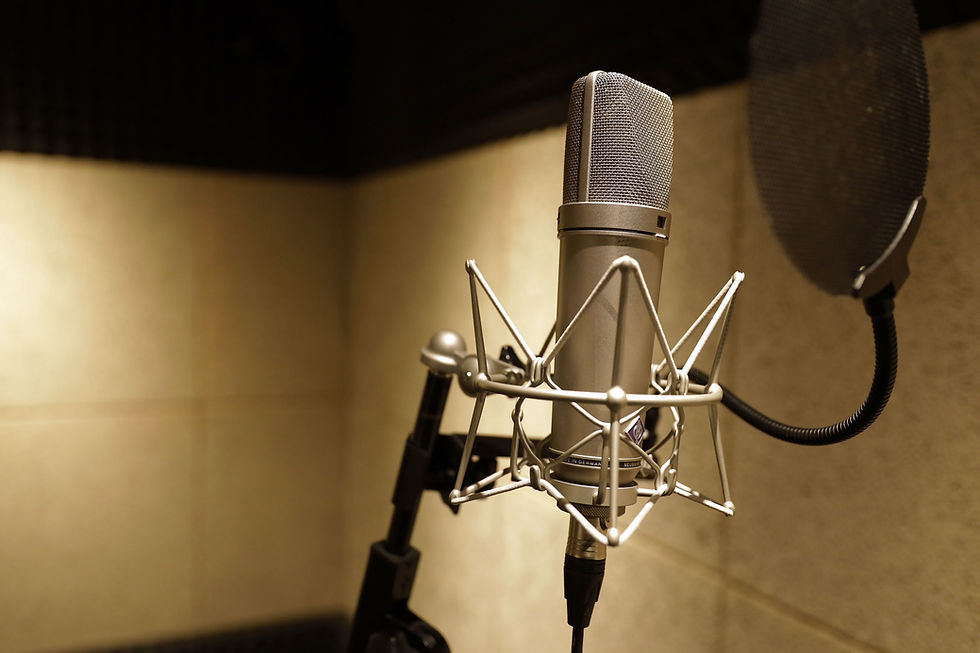
A quality XLR microphone (not USB if you can avoid it)
Closed-back headphones for monitoring
A decent audio interface or something like the PASport VO (which I helped design with the team at The Pro Audio Suite)
Recording software such as Audacity, GarageBand, or a pro DAW like Pro Tools.
Treat your room with soft furnishings, rugs, and curtains to reduce reflections. Avoid small, square booths, they create boxy resonance that’s impossible to EQ out later.
Backup Everything:
Always run a secondary recording on your phone or tablet. (Check out my Backup Recording Guide if you want the “never lose a take again” setup.)

Step 3: Record with Confidence
Good audio isn’t luck, it’s a habit, and most of that habit happens before you press record.
🎯 Prep makes perfect:
Test your gear, check cables, mic connection, and input levels.
Do a quick voice warm-up to loosen things up and keep tone consistent.
Run a 10-second test take to make sure you’re not clipping or fighting background noise.
Once you’re ready to roll:
Keep the mic about a hand’s width from your mouth and speak slightly across it.
Use a pop filter to catch plosives.
Watch your levels — aim for peaks around –6 dB to –3 dB.
If you’re recording remotely, use Zoom, Riverside, or SquadCast, and record locally at both ends for best quality.
Brief your guests! A good pre-chat about mic distance and room noise saves hours later.

Step 4: Edit Like a Pro
Editing is where your podcast becomes listenable, or unlistenable.
My go-to checklist:
✅ Remove long pauses, false starts, and “ums”
✅ Use noise reduction and light compression
✅ Balance voice levels so everyone sits comfortably in the mix
✅ Add intro/outro music for a consistent, branded feel
✅ Export at 256 kbps MP3 for streaming platforms
If this part makes your eyes glaze over, that’s where Voodoo Sound steps in. We handle editing, mixing, mastering, and full podcast post-production so that you can focus on the content, not the console.
Step 5: Publish and Promote
Once your episode sounds great, you need people to actually hear it.
Upload to a hosting platform like Libsyn, Podbean, or Buzzsprout
Distribute automatically to Apple Podcasts, Spotify, and Google Podcasts
Write clear, keyword-friendly titles and descriptions (helps your SEO and discoverability)
Share snippets and audiograms on social media to keep engagement rolling between episodes
Encourage reviews, they’re social proof for new listeners
Bonus tip: Repurpose your episodes. Turn quotes into posts, use soundbites for reels, or even compile themed highlight episodes later.
Step 6: Keep Improving
Podcasting isn’t one-and-done. Every episode is a chance to tweak and refine. Listen back, take notes, and keep your workflow simple.
If your show grows and you start adding sponsors or guests, invest in better monitoring or acoustic treatment, not gimmicks. The cleaner your original sound, the easier everything else becomes.
Let Voodoo Sound Handle the Hard Part
Producing a podcast is rewarding, but it’s also a grind, planning, recording, editing, mastering, and uploading.
If you’d rather spend your time creating, let me handle the rest. At Voodoo Sound, we provide:
🎚️ Editing & Mixing
🎵 Music & Branding
🎙️ Full Post-Production
☁️ Hosting & Publishing Support
Whether you just need cleanup or complete production, I’ll make sure your podcast sounds like it belongs on a major network.
👉 Book a Free Intro Chat or visit www.voodoosound.com.au to get started.


Mình thỉnh thoảng cũng lướt mấy bài phân tích xổ số miền Bắc cho vui thôi, kiểu đọc để xem người ta suy luận thế nào chứ không đặt niềm tin tuyệt đối. Hồi trước toàn nghe bạn bè mách nước, bảo “cầu này ngon” là mình ghi đại, nhưng trật vài lần liên tiếp nên cũng tỉnh ra. Từ đó mình bắt đầu để ý hơn tới thống kê và cách giải thích cho có cơ sở. Có lần tình cờ đọc một bài trên soicauxsmb.pro, mình mới thấy nhiều “cầu” thật ra chỉ là nhìn dữ liệu theo cảm giác nên kỳ vọng giảm hẳn. Giờ mình coi như giải trí, có chọn số thì chọn ít, thử…